
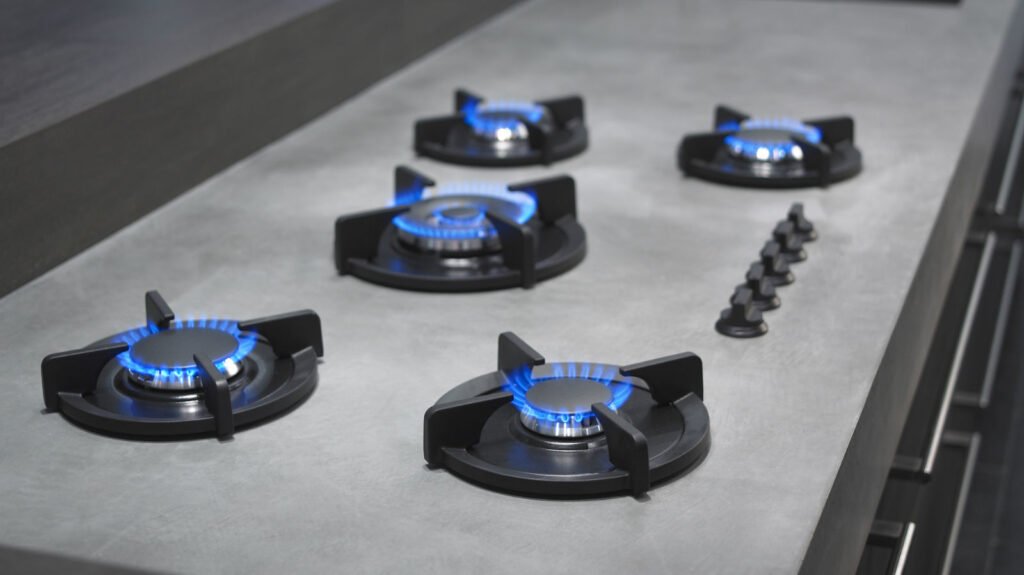
Gas Cooktop Installation Mistakes Homeowners Must Avoid
Installing a modern gas cooktop can dramatically improve cooking performance, kitchen efficiency, and overall home value. However, homeowners should always work with a qualified Gas Cooktop Installation Contractor in Boise ID to ensure the installation is completed safely and according to code requirements. Gas appliances involve fuel lines, ventilation systems, ignition components, and precise clearances that require professional expertise. Mistakes during installation can create serious safety risks and costly long-term problems.
Many homeowners focus primarily on selecting the right appliance but underestimate the importance of proper installation planning. Incorrect gas connections, inadequate ventilation, or improper countertop preparation can affect both safety and appliance performance.
Why Professional Gas Cooktop Installation Matters
Gas cooktops require careful coordination between gas supply lines, electrical connections, ventilation systems, and surrounding cabinetry. A professional Gas Cooktop Installation Contractor in Boise ID understands local building codes and manufacturer specifications necessary for safe operation.
Proper installation ensures:
- Safe gas line connections
- Correct ventilation and airflow
- Accurate appliance leveling
- Reliable ignition system performance
- Compliance with local safety regulations
Hiring experienced professionals significantly reduces the risk of gas leaks, fire hazards, and future appliance malfunctions.
Mistake #1: Ignoring Proper Ventilation Requirements
Ventilation is one of the most overlooked aspects of gas cooktop installation. Gas appliances produce heat, smoke, grease particles, and combustion gases that must be properly vented outside the home.
Working with a Gas Appliance Installation Contractor in Boise ID ensures the kitchen ventilation system is properly sized and positioned for the cooktop configuration.
Common Ventilation Problems Include:
- Undersized range hoods
- Poor airflow performance
- Improper duct routing
- Insufficient clearance space
Inadequate ventilation can lead to poor indoor air quality, lingering odors, and grease buildup throughout the kitchen.
Mistake #2: Improper Gas Line Connections
Incorrect gas line installation is one of the most dangerous mistakes homeowners can make. Gas leaks create serious fire and health hazards if fittings are not installed correctly or tested properly.
Professional contractors ensure gas lines are securely connected, pressure-tested, and compliant with local code requirements before the appliance is activated.
Professional Gas Safety Measures Include:
- Pressure testing for leaks
- Correct shutoff valve placement
- Proper pipe sizing and fittings
- Safe appliance connection methods
These safety procedures help protect both the home and its occupants from dangerous gas-related issues.
Mistake #3: Choosing the Wrong Countertop Cutout Size
Gas cooktops must fit precisely within countertop openings. Incorrect cutout measurements can create unstable installation conditions or leave gaps around the appliance.
Experienced contractors carefully measure and prepare countertop openings to ensure proper fitment and long-term stability. This is especially important with stone or compact surface countertops where improper cutting can lead to cracking.
Mistake #4: Ignoring Clearance Requirements
Every gas cooktop manufacturer provides minimum clearance requirements for nearby cabinets, walls, and ventilation systems. Ignoring these clearances increases fire risk and can void manufacturer warranties.
A professional Gas Cooktop Installation Contractor in Boise ID ensures the cooktop is installed with sufficient spacing for safe operation and proper airflow.
Important Clearance Areas Include:
- Distance from overhead cabinets
- Spacing near combustible materials
- Vent hood positioning
- Countertop edge clearances
Following manufacturer specifications improves both safety and appliance efficiency.
Mistake #5: Overlooking Electrical Requirements
Many homeowners assume gas cooktops require only a gas connection, but most modern units also rely on electrical systems for ignition and control features.
Contractors verify proper electrical outlets, grounding, and circuit compatibility before installation begins. Failure to address electrical requirements can prevent appliances from functioning correctly.
Mistake #6: Attempting DIY Installation
While DIY home projects are increasingly popular, gas appliance installation should never be treated as a simple weekend task. Improper installation can create severe safety hazards and expensive repair costs.
Professional installers bring technical expertise, specialized tools, and code knowledge that ensure safe and reliable operation from day one.
The Importance of Code Compliance
Gas appliance installations must comply with local building codes and safety standards. Professional contractors handle permits, inspections, and installation requirements necessary to meet Boise regulations.
Proper code compliance protects homeowners during future inspections, property sales, and insurance evaluations.
Long-Term Benefits of Professional Installation
Professionally installed gas cooktops perform more efficiently, last longer, and require fewer repairs over time. Correct installation also improves cooking performance and overall kitchen functionality.
Consulting with an experienced gas range installation contractor helps homeowners avoid costly mistakes while ensuring safe, efficient appliance performance.
Final Thoughts on Gas Cooktop Installation
Hiring a professional Gas Cooktop Installation Contractor in Boise ID is essential for protecting your home, improving appliance performance, and ensuring long-term safety. From ventilation planning and gas line connections to countertop preparation and code compliance, professional installation prevents costly and dangerous mistakes.
With expert guidance and careful planning, homeowners can enjoy the convenience and performance of modern gas cooktops while maintaining a safe and functional kitchen environment.